
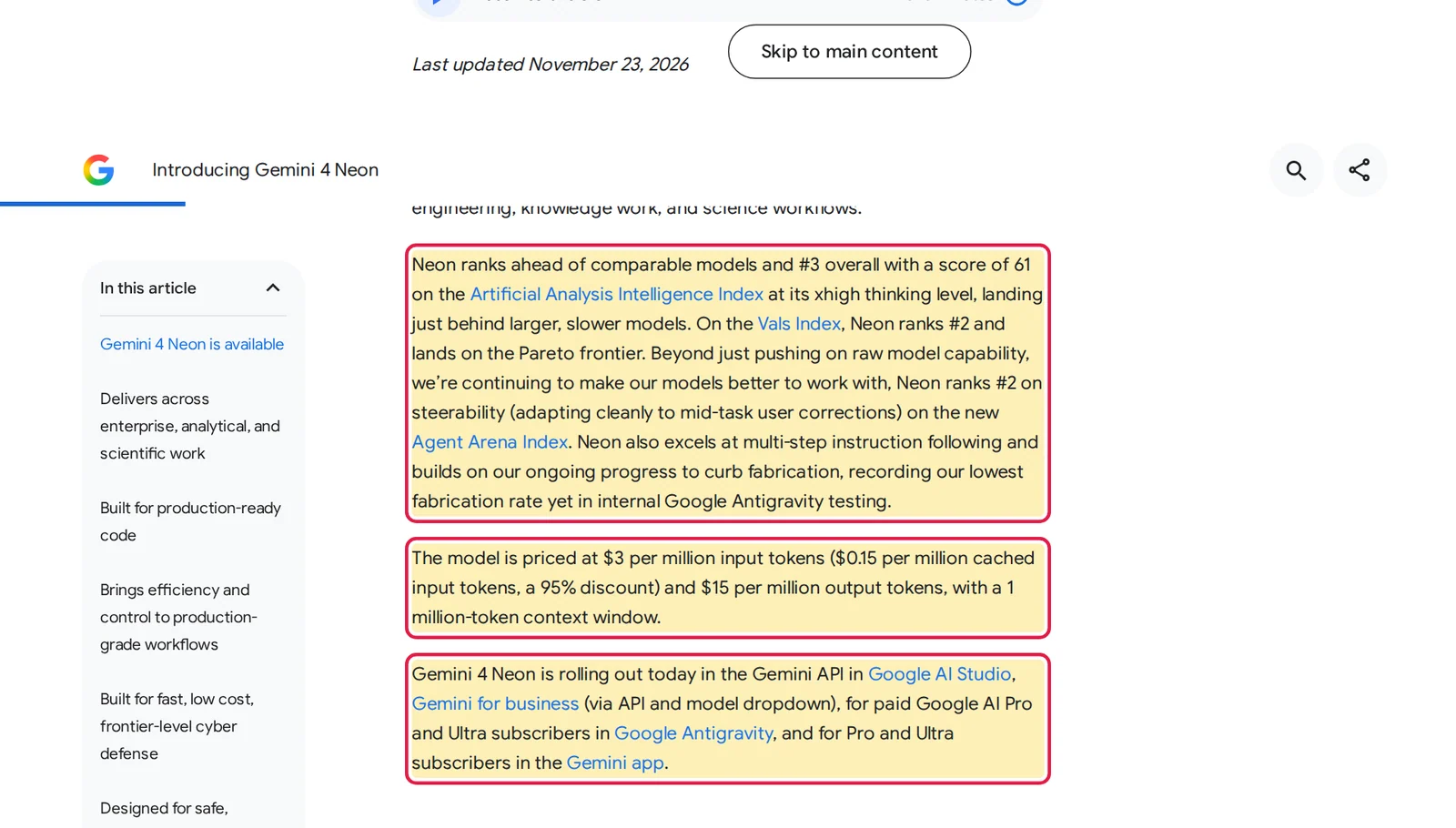
Google introduced Gemini 4 Neon on November 18, 2026, right after finishing the consumer rollout of inline SKILL.md instructions in the Gemini app. If you want to test Neon with an open-source web-novel skill for serialized fiction, check three practical details before pasting an outline: whether your skill needs a browser chat or a local coding agent, how Pro access compares with cached API billing, and which workflow steps break outside a local workspace.
Two Ways to Wire It Up: Browser Skills vs. Local Agents
Running Neon with a web-novel skill splits into two distinct setups, and they do not offer the same features.
The lighter path runs inside the Gemini web app or Google AI Studio. According to Google Workspace Help, Google completed the Gemini app rollout of Skills by mid-November, letting users trigger and stack multiple skills inline with / or @ inside one thread instead of opening separate Gem windows. Toolkits like chinese-webnovel-skills (39 skills and 35 reference libraries) include an exports/ folder with standalone instructions.md and knowledge files built for Gemini or AI Studio system instructions.
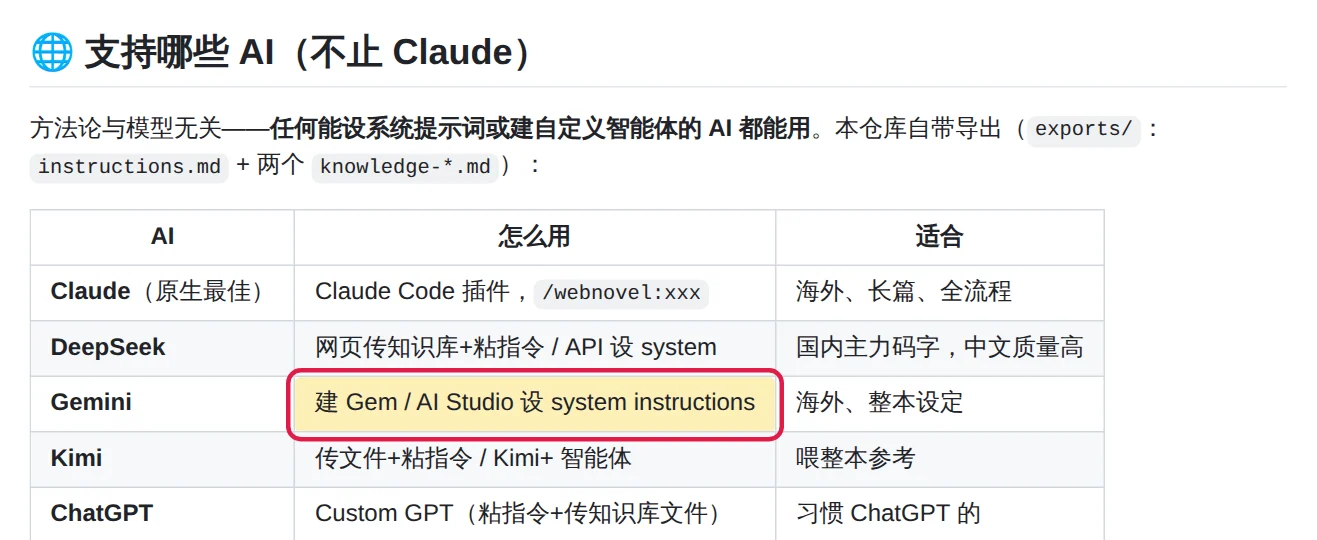
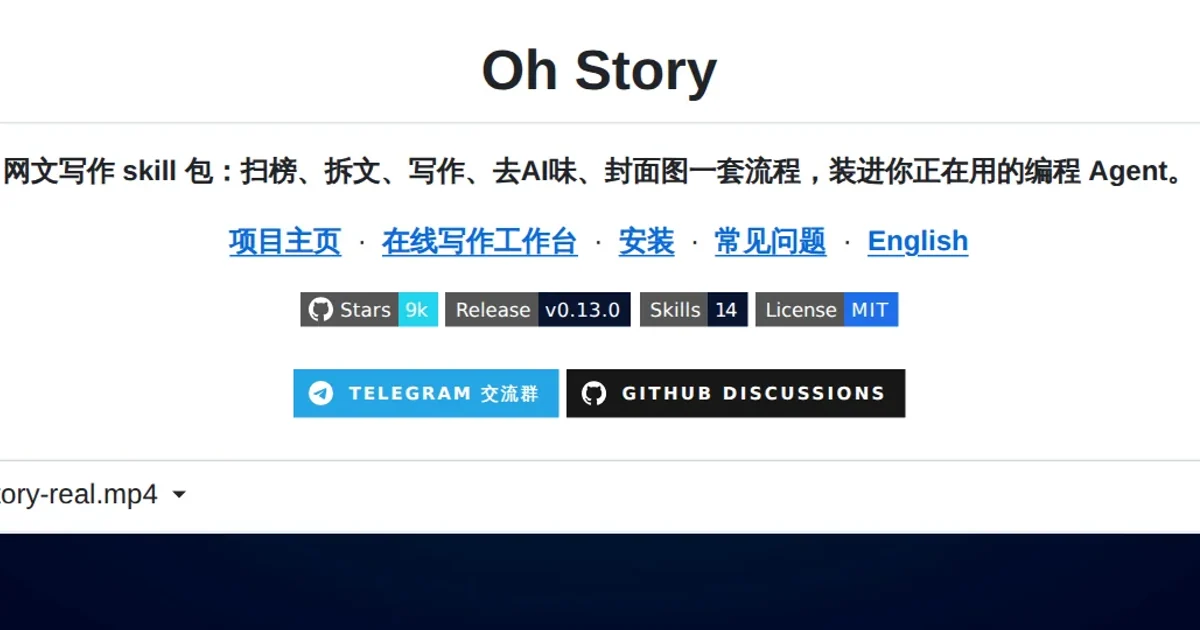
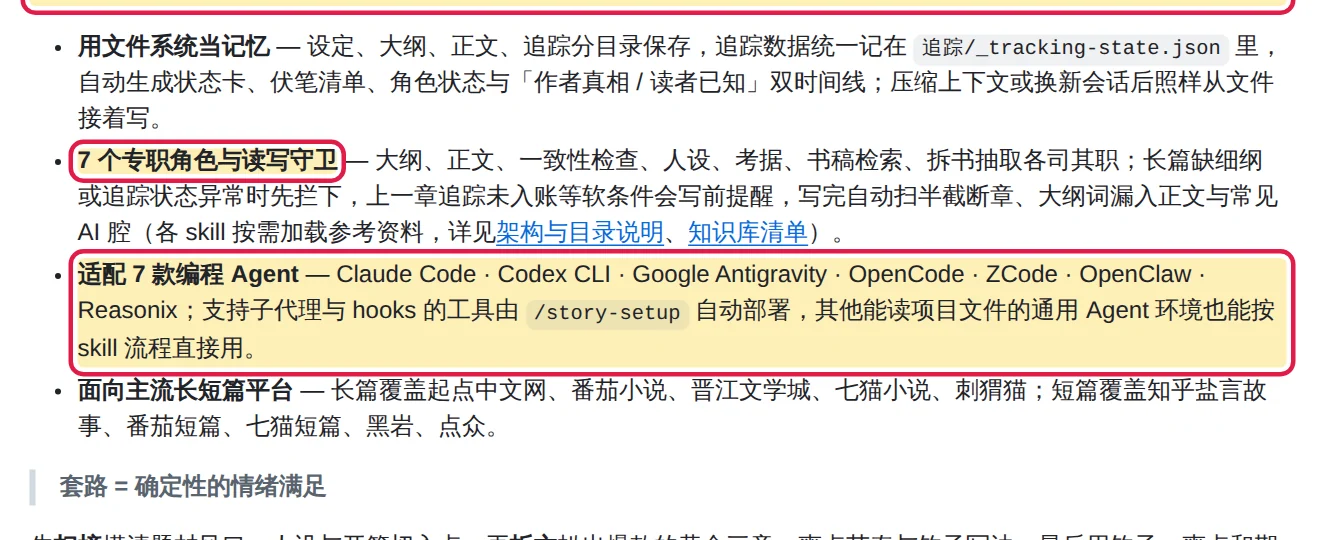
The heavier path installs a full-pipeline repository into a coding agent that can read and edit local project files, such as Google Antigravity, Claude Code, or Codex CLI. With 9.0k stars on GitHub, Oh Story (14 skills) natively targets seven coding agents, including Google Antigravity: run npx skills add zenstory-ai/oh-story-claudecode -y -g to install globally, then run /story-setup (or $story-setup in Codex) inside your project root to deploy hooks, subagents, and reference files before starting a fresh session. Browser skills work well for short stories or single-chapter rewrites; multi-volume serials that track plot threads across chapters belong in a local agent workspace.
Check Access Tiers and Cached Token Math Before Drafting
If Neon is missing from your model selector or fails to connect, check your plan tier first. Google's announcement specifies four rollout channels: the paid Gemini API tier in Google AI Studio, Gemini for business, Google Antigravity for paid Google AI Pro and Ultra subscribers, and the model dropdown in the Gemini app for Pro and Ultra subscribers. Free consumer accounts do not get Neon.
For API users, the billing gap centers on prompt caching. Gemini 4 Neon costs $3 per million input tokens, $0.15 per million cached input tokens (a 95% discount), and $15 per million output tokens across a 1 million-token context window. At its default high thinking setting, Google reports Neon runs at a 32% lower cost per task than Gemini 4 Carbon.
In serialized fiction, every new chapter reloads character sheets, world rules, and prior summaries. Without context caching turned on, an API workflow repeatedly pays the $3 per million input rate on your entire story bible. Turning on caching—or sticking to Pro quota inside the Gemini app and Antigravity—changes the unit cost dramatically.
Why Prose Sounds Less Synthetic: Linting Scripts and Dual Timelines
Google notes that Gemini 4 Neon ranks #2 on steerability on the Agent Arena Index, meaning it adjusts cleanly to mid-task corrections, while recording Google's lowest fabrication rate in internal Antigravity tests and aiming for a natural, direct tone. Even so, open-source novel skills do not trust model taste alone to eliminate stiff AI prose.
Oh Story stores state inside _tracking-state.json and separates what the author knows from what the reader has seen so far, keeping hidden character backstories out of dialogue until the plot reveals them. After drafting a chapter, /story-deslop runs local scripts to flag high-frequency AI tics—overused em-dashes, dramatic trailer endings, symmetrical contrast clauses, and stacked filler modifiers—printing exact line numbers before rewriting in context.
Similarly, chinese-webnovel-skills scores drafts on a 0–10 scale across 12 measurable checks, including metaphor density, repeated sentence structures, sentence-length variation, and emotional word repetition.
Three Setup Traps to Check First
- Pasting file-backed skills into web chat: The awesome-novel-skills directory notes that folder-based systems like
axu-noveldo not work in browser chat boxes because they rely on reading and writing local files; copying only a singleSKILL.mdstrips out state ledgers and linting scripts. - Expecting a skill to invent a winning premise on autopilot: In awesome-novel-skills's October 20, 2026 blind evaluation, three premise-generation skills actually ranked behind the no-skill control group, while
oh-storydropped near the bottom in an offline sandbox because its trend-scanning step requires live web access. Lock down your hook and chapter beats yourself before asking Neon to expand scenes. - Running global installs without reading scripts: Community skills frequently bundle Python or Node.js helpers. Read the repository's
SKILL.mdand inspect what files a setup script touches before runningnpx skills addor/story-setup.
If you already pay for Google AI Pro and want a quick reality check on Neon, start small: pick one finished chapter, attach a single de-slop rule with / in the Gemini app, and see whether the dialogue reads cleaner without flattening character voice. Move to Oh Story inside Google Antigravity or cached AI Studio calls only once you are ready to maintain a multi-chapter project directory.