
Why AI agents benefit from skills

A study by researchers at Princeton University, UC San Diego, and other institutions examines why stored “skills” improve AI agent performance and where they break down.
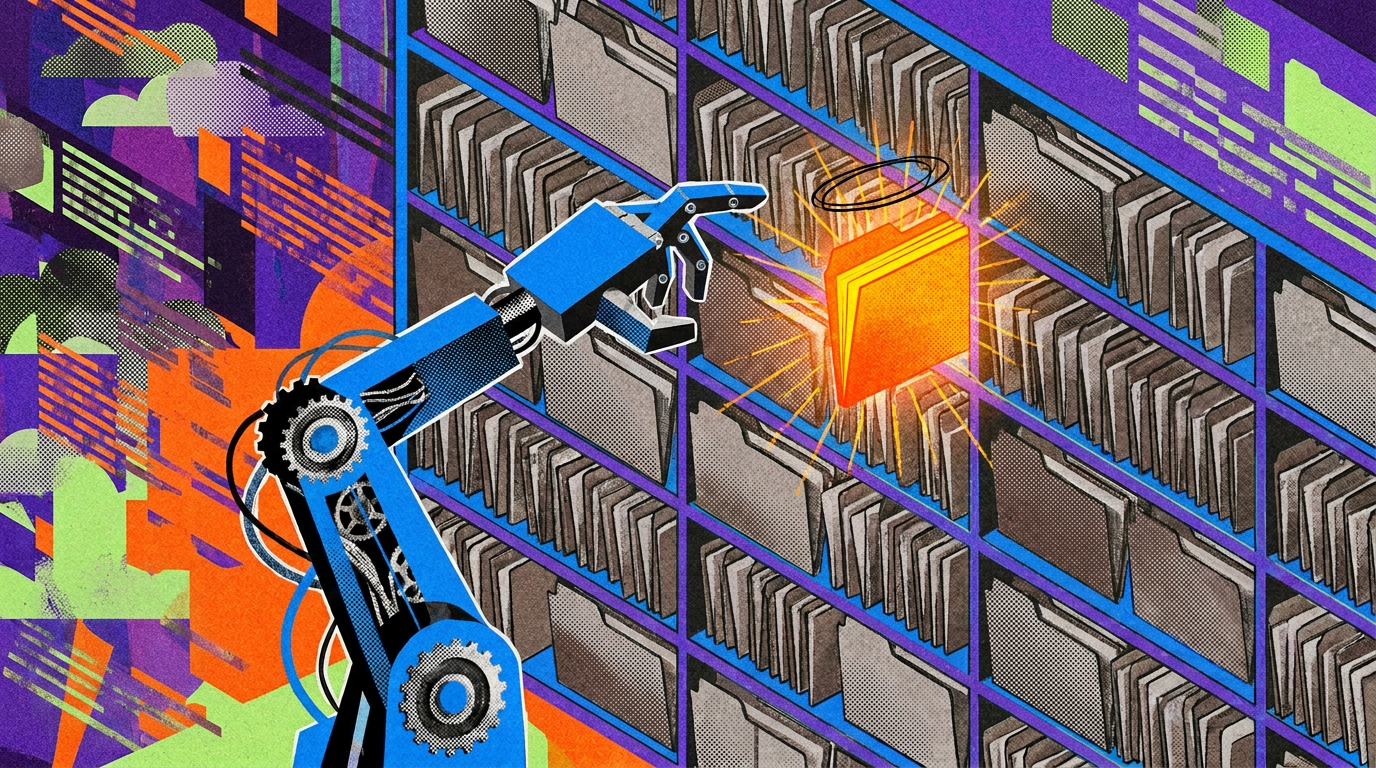
A skill is a compact task-specific instruction set. It describes the steps an agent should take, the checks it should perform, and common mistakes it should avoid. Rather than solving each task from the beginning, the agent can reuse these stored procedures.
The researchers compared agents operating with and without skills on identical tasks across 8,135 controlled test runs. Earlier evaluations showed that skills could increase task success, but did not clearly explain the reason.
Skills provide procedures more than facts
The study found that skills help primarily by giving agents a dependable process to follow, rather than by adding missing information. This procedural grounding explained 65.7 percent of the cases in which skilled agents outperformed unskilled ones. Direct knowledge transfer accounted for only 4.5 percent.
These procedures can guide setup, tool sequencing, intermediate checks, and output formatting, reducing execution mistakes. However, they can also introduce new errors. In 10 percent of cases, agents applied a useful playbook mechanically or in an unsuitable context. A skill also cannot solve tasks requiring a fundamentally different approach, although a closely related skill may still provide sufficient guidance.
Retrieval becomes a major weakness
Finding the appropriate skill is another challenge. In the tests, retrieval precision fell from 29.6 percent with a five-entry library to 3.3 percent with 100 entries. Skills with similar wording made selection more difficult.
The researchers therefore describe skill use as a lifecycle involving creation, retrieval, and application. Improving agents will require more dependable handling of each stage, rather than simply accumulating additional stored experiences.