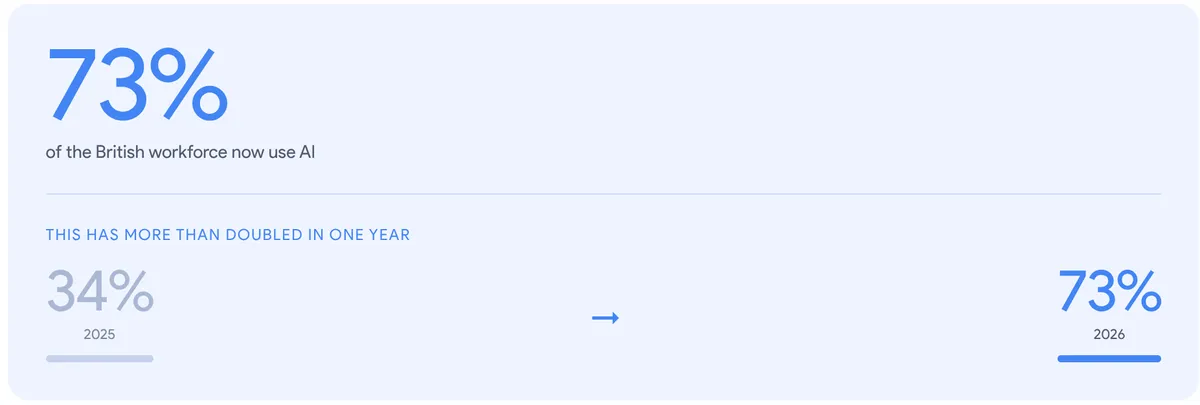
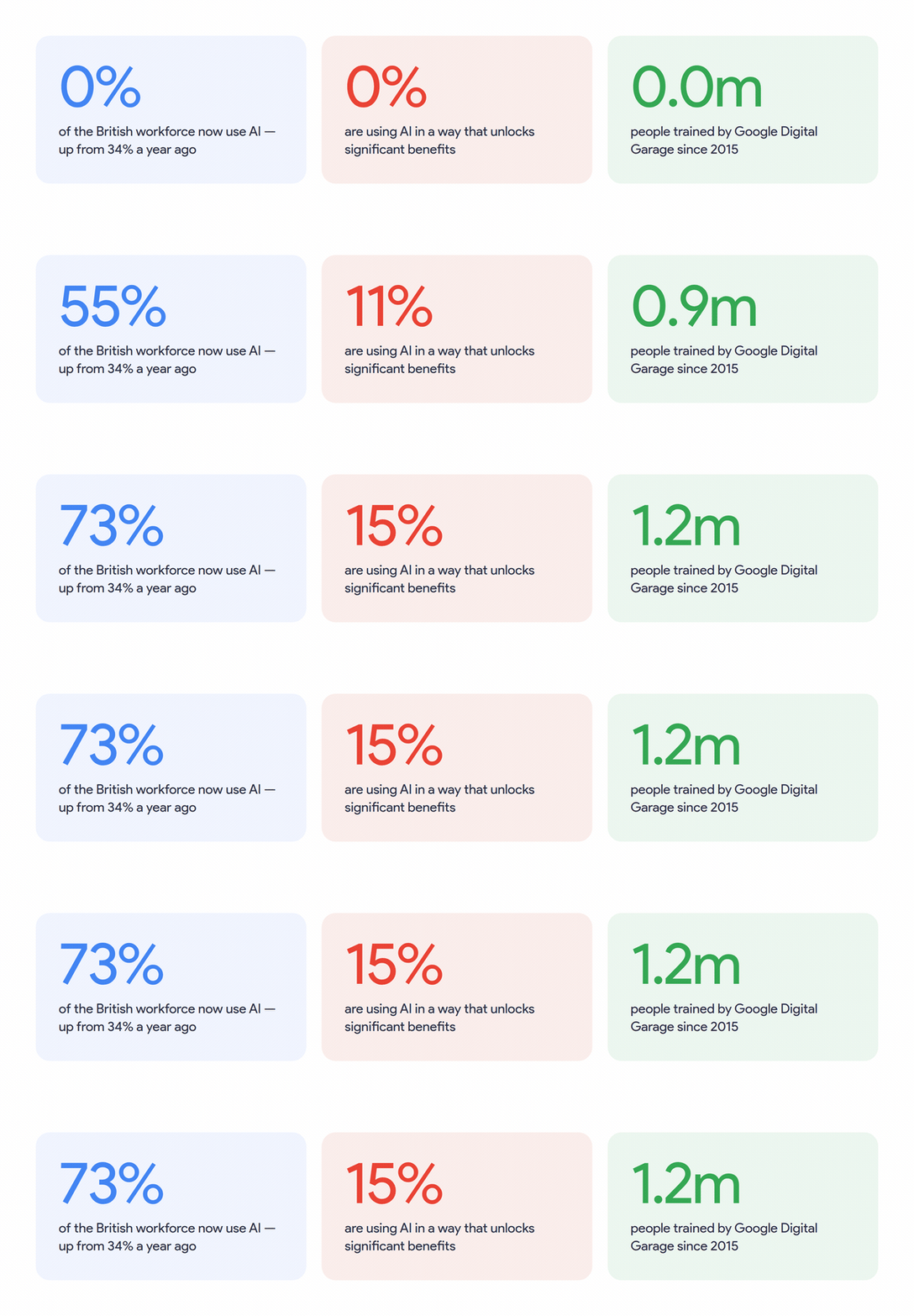
A new study by Google and Public First reveals that workplace AI adoption in the UK has doubled in the past year, from 34% in 2025 to 73% in 2026. However, the benefits are unevenly distributed, with only the top 15% of users—termed 'AI Trailblazers'—reporting significant career advantages such as promotions, pay rises, and positive performance reviews.
Four stages of AI adoption
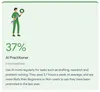
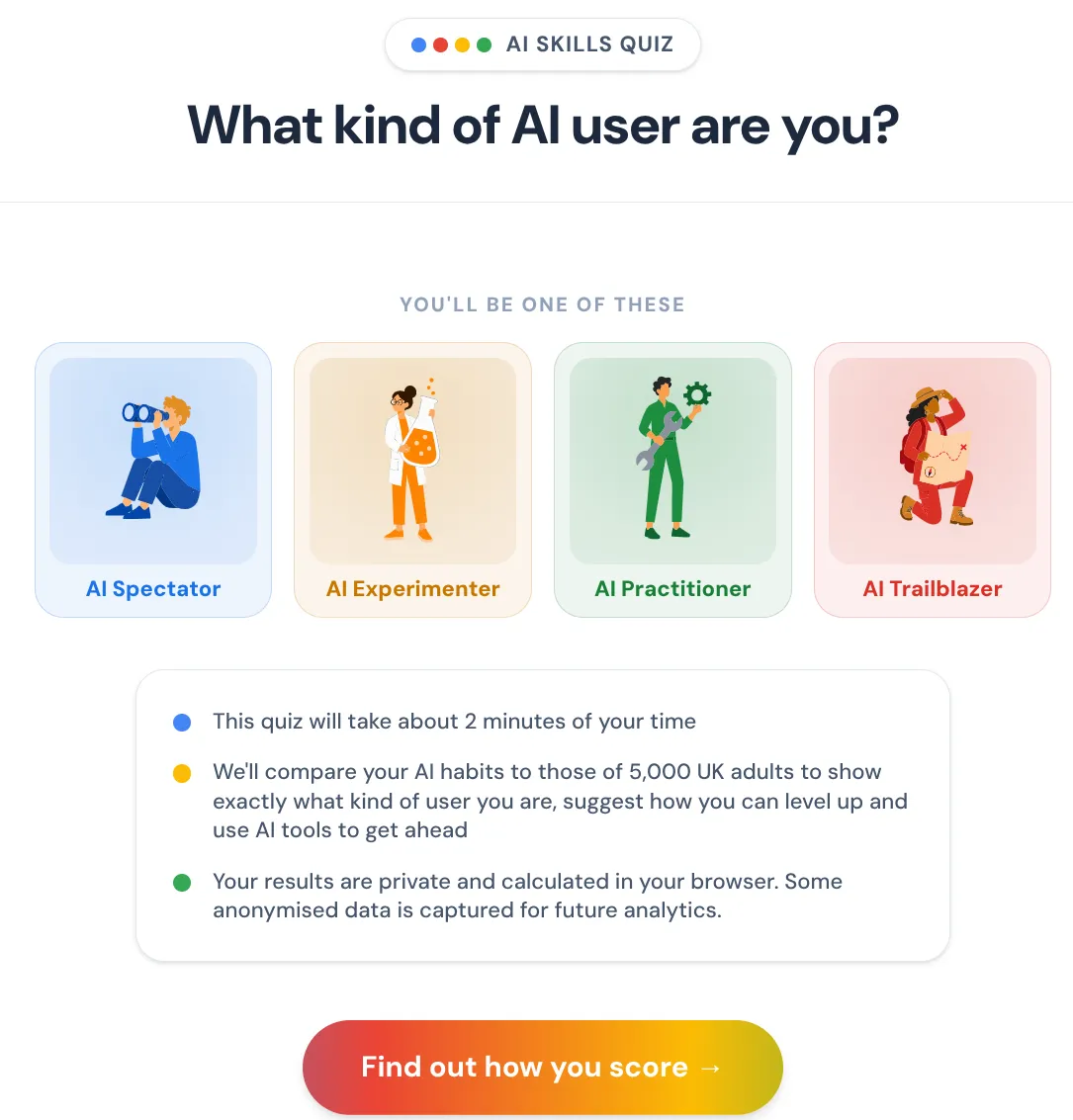
The research segments the workforce into four categories: 'AI Spectators' (10%) who haven't experimented with AI; 'AI Experimenters' (38%) who use it for simple tasks; 'AI Practitioners' (37%) who rely on it daily; and 'AI Trailblazers' (15%) who push boundaries and save nearly 8 hours per week—effectively gaining an extra day each working week.
The Trailblazer advantage
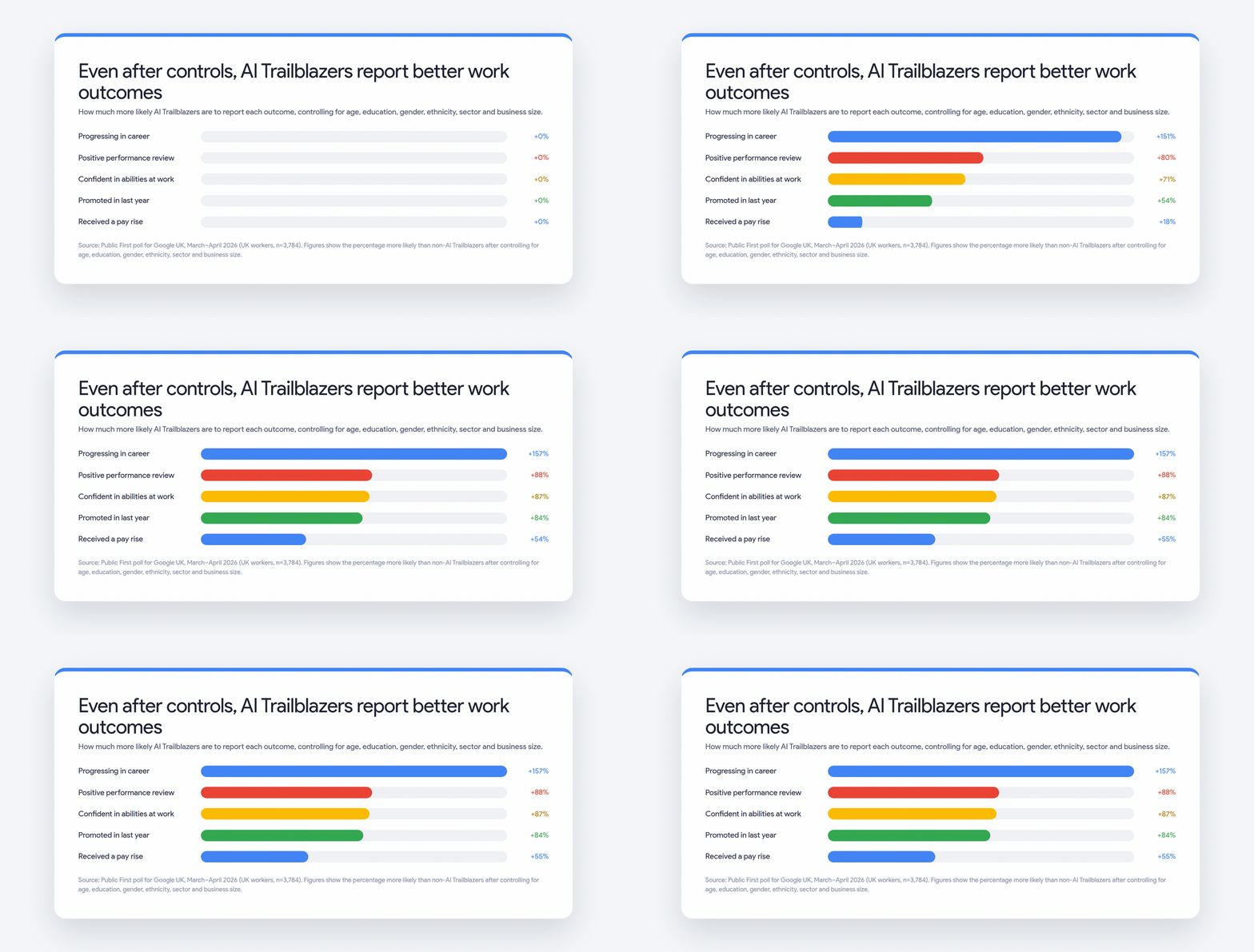
Even after accounting for demographics and business size, deeper AI use correlates with professional momentum. Trailblazers are 84% more likely to have been promoted, 88% more likely to receive a positive performance review, and 55% more likely to secure a pay rise. However, this deeper use is uneven across age, gender, and geography, and the gap is growing.
Barriers to adoption
The main barriers are behavioral, cognitive, and organizational. Many users fall into a 'one-and-done' habit without iterating prompts or using multimodal capabilities. A 'search box' mindset limits collaboration, and only 37% have asked AI to help write better prompts. Additionally, only one-third of users have clear professional guidance, and fewer than half know who to ask about responsible use.
Building a nation of AI Trailblazers
To address these challenges, Public First has launched an AI skills quiz to help individuals benchmark their skills and get actionable tips. Google's nationwide upskilling initiative, AI Works for Britain, builds on the Google Digital Garage programme, which has trained over 1.2 million people. This supports the government's goal of training 10 million workers in AI skills by 2030.
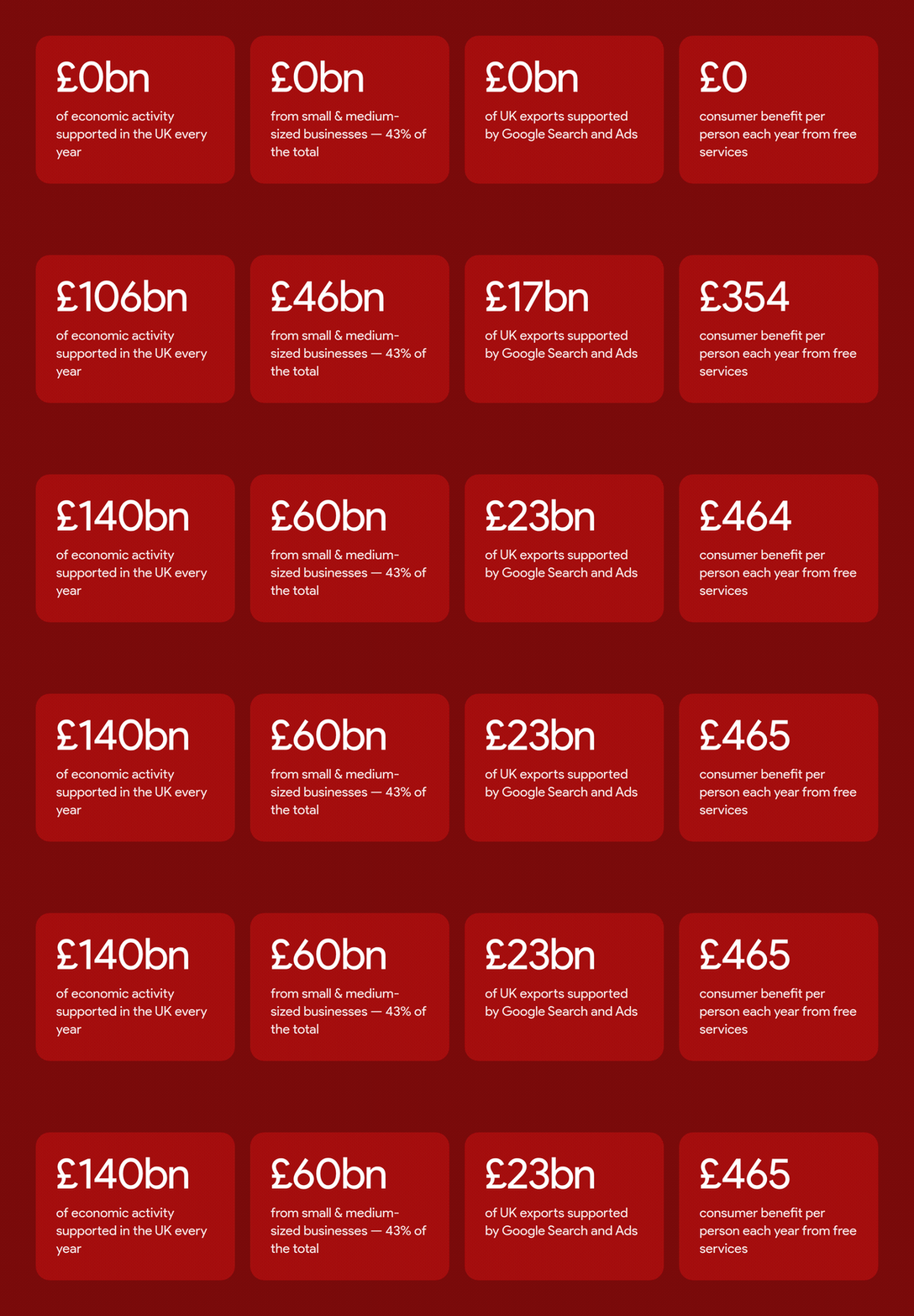
Google's tools supported £140 billion in economic activity across the UK in 2025, with over 40% from small and medium businesses. Products like Search, Android, Cloud, and YouTube save British workers 51 million hours weekly—equivalent to the output of the entire NHS workforce.